A foosball table can have premium rods, smooth bearings, and a beautiful cabinet, but one weak support point can ruin the entire experience.
Many players do not realize their “bad playing surface” is actually a leg problem. A loose bolt, worn foot, or uneven leveler can change how the ball moves and make every match feel slightly off.
Before replacing an entire football table, check the support system underneath it. The right foosball table legs, feet, and levelers can restore stability, protect your floor, and bring back consistent gameplay.
Why Foosball Table Legs Matter More Than Most Players Realize
When people upgrade a foosball table, they usually think about rods, players, bearings, or scoring systems first. The legs rarely get attention until something goes wrong.
Then the complaints start:
“My table rocks during fast games.”
“The ball always rolls toward one side.”
“One corner feels lower than the others.”
“I only need a replacement foot, not a new table.”
The leg system controls much more than height. It affects table stability, weight distribution, and how evenly the playing surface sits.
A foosball table works like a large cabinet supported by four main points. If one support point fails, the entire structure feels the impact.
Professional and commercial tables often use adjustable feet because even heavy tables need precise leveling. A small height difference can create an uneven playing surface where the ball naturally moves in one direction.
A stable table gives players better control. Passes feel more predictable, shots feel more consistent, and nobody has to blame the table after missing an easy goal.
Understanding Foosball Table Leg Construction
The legs underneath a table are not just decorative pieces. They are part of the load-bearing structure that keeps the frame stable during years of play.
Different tables use different materials and mounting systems depending on their design, weight, and intended use.
The Leg Body
Foosball table legs usually come in a few common styles:
- Wood legs
- MDF or composite legs
- Steel legs
- Reinforced commercial legs
Wood and composite legs are common on home tables because they balance appearance and cost. However, they can develop cracks around mounting points if the table is moved frequently or the hardware becomes loose.
Steel leg foosball designs are popular for heavier tables and commercial environments. Steel construction provides strong support and better resistance against repeated movement.
A quality steel leg system often includes:
- Powder-coated metal for scratch and corrosion resistance
- Reinforced joints
- Strong attachment points
- Heavy-duty support plates
For players who host regular tournaments or keep their table in a busy game room, stronger leg construction usually makes a noticeable difference.
A good leg does not simply hold weight. It keeps the table frame support rigid so the playing surface stays consistent.
Leg Mounting Points and Hardware
The leg itself is only one part of the support system.
The connection between the leg and the cabinet is equally important.
Common foosball table leg parts include:
- Mounting brackets
- Bolts
- Washers
- Nuts
- Reinforcement plates
- Attachment hardware
Many unstable tables are not suffering from a bad leg. They have a hardware problem.
Common issues include:
- Loose foosball table leg bolts
- Cracked leg mounts
- Missing screws
- Stripped threads
- Damaged mounting plates
A strong replacement leg attached to a damaged mounting point will still create problems. Always inspect the connection area before buying replacement foosball table legs.
Common Foosball Table Leg Problems and What They Mean
Most leg issues develop slowly. Players often notice the problem only after the table starts affecting gameplay.
Here are the most common situations and what they usually indicate.
Wobbling Foosball Table
A wobbling table is one of the most common complaints from owners.
The causes are usually simple:
- Uneven flooring
- Loose hardware
- Worn feet
- Incorrect installation
- Bent leveling components
An unstable foosball table does not just feel annoying. Movement during aggressive play can affect passing accuracy and shooting control.
Before replacing the entire leg assembly:
- Tighten all bolts.
- Check whether the legs are aligned.
- Inspect the feet for wear.
- Adjust the levelers.
- Replace damaged parts if necessary.
Many users discover that a small adjustment fixes what looked like a major structural issue.
Uneven Playing Surface
A table can appear perfectly assembled and still play incorrectly.
If one leg sits slightly higher or lower, gravity takes over. The ball may slowly drift instead of staying where players expect.
This affects:
- Ball control
- Passing practice
- Defensive positioning
- Shot accuracy
This is where foosball table adjustable feet and foosball table leg levelers become valuable.
Instead of rebuilding the entire support structure, players can make small height adjustments and restore balance.
Damaged or Cracked Legs
A damaged leg does not always need immediate replacement. Minor cosmetic damage may not affect performance.
However, replacement is usually the safer option when:
- The crack reaches a mounting point
- Wood has split deeply
- Steel tubing is bent
- Threads are damaged
- The table no longer sits securely
Foosball table replacement legs are useful when the main support component has failed.
Replacing a single damaged component is often more practical than buying a completely new table.
Types of Foosball Table Legs Available
Not every player needs the same support system. The right option depends on how the table is used.
A home player in a small apartment has different needs than a commercial game room owner.
Standard Fixed Foosball Table Legs
Fixed legs are the traditional choice.
They work well for:
- Permanent game rooms
- Dedicated entertainment areas
- Tables that rarely move
Advantages include:
- Simple construction
- Fewer moving parts
- Strong support
- Lower maintenance
The main limitation is mobility. If you frequently rearrange your room, fixed legs may become inconvenient.
Folding Foosball Table Legs
Foosball table foldable legs are designed for players who need easier storage.
They are useful for:
- Apartments
- Smaller rooms
- Multi-purpose spaces
- Temporary setups
The benefit is obvious: you can store the table when it is not being used.
However, folding systems have more mechanical parts. Hinges and locking points can loosen over time.
Before choosing folding legs, check:
- Hinge quality
- Locking mechanism
- Joint reinforcement
- Weight capacity
A folding table should still feel solid when opened. Convenience should not come at the cost of stability.
Steel Leg Foosball Tables
Steel legs are often preferred by serious players who want long-term durability.
Benefits include:
- Heavy-duty design
- Better impact resistance
- Improved stability
- Stronger load capacity
Look for powder-coated metal because the finish helps protect against scratches and moisture.
Steel does not automatically mean better, though. A poorly designed steel leg system can still have weak mounting points.
The complete structure matters more than the material alone.
Foosball Table Feet vs Foosball Table Legs: What Is the Difference?
Many buyers search for foosball table legs when they actually need feet or levelers.
The difference is simple:
| Part | Purpose |
| Legs | Main structural support between the cabinet and the floor |
| Feet | Contact point between the leg and the floor |
| Levelers | Adjustable components that change height and improve balance |
| Caps | Protective covers that reduce floor damage |
Foosball table feet are small parts, but they have an important job.
They help with:
- Floor protection
- Grip
- Height adjustment
- Stability
Foosball table leg caps are also useful for preventing scratches, especially on hardwood or tile floors.
Sometimes the table is fine. The feet are the problem.
Foosball Table Leg Levelers Explained
Many replacement searches are actually about leveling, not replacing legs.
A foosball leg leveler allows players to adjust height without changing the entire support structure.
This makes them useful for:
- Uneven floors
- Older tables
- Worn feet
- Tables moved between rooms
How Foosball Leg Levelers Work
Most levelers include:
- Threaded bolt
- Mounting plate
- Adjustable foot
- Locking system
The user rotates the adjustment point to raise or lower the table corner.
Tornado-style tables commonly use adjustable commercial-style feet because precise leveling is important for consistent gameplay.
When choosing a leveler, check:
- Bolt size
- Mounting hole pattern
- Adjustment range
- Table weight capacity
A leveler that does not match the table design may create more problems than it solves.
Best Replacement Foosball Table Leg Levelers
Different tables need different leveling solutions. A universal part is not always the right part.
Always compare measurements before installing replacement components.
OwnMy Heavy-Duty Metal Foosball Table Levelers
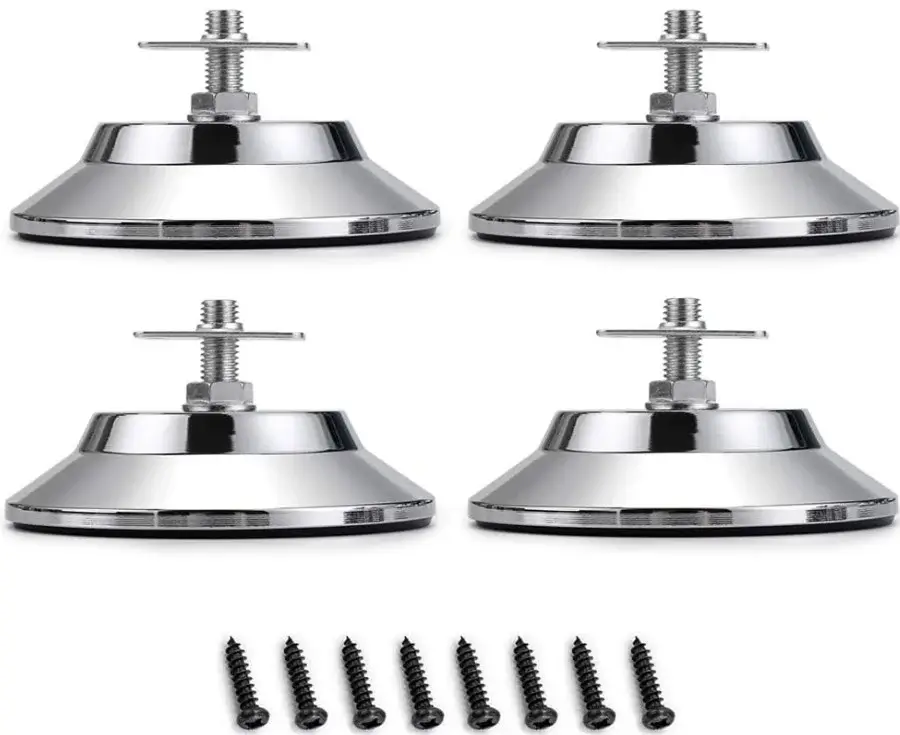
The OwnMy levelers are designed for players who need a versatile replacement solution.
They work well for owners who have:
- Missing feet
- Uneven floors
- Multiple game tables
Key features include:
- Metal construction
- Adjustable height
- Threaded support bolt
- Included mounting plates
The real-world benefit is flexibility. These levelers can work with different game tables, including foosball, pool, air hockey, and ping pong setups.
They are best for buyers who want universal compatibility.
They are not the best choice for someone needing an exact manufacturer replacement part.
Compared with simple plastic feet, these provide a stronger adjustment system. Compared with premium OEM parts, they may require more measurements before installation.
Verdict: A practical choice for players who need adjustable support across different table types.
LVOERTUIG Adjustable Foosball Table Feet
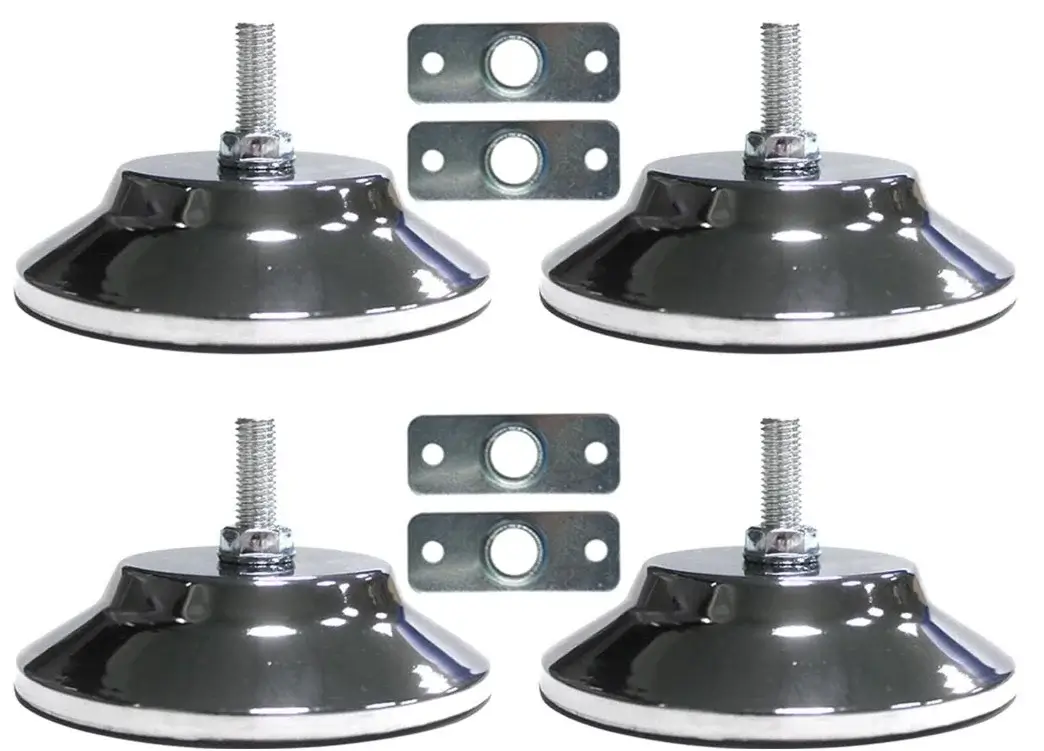
LVOERTUIG levelers focus on compact installation and simple height adjustment.
They are suitable for:
- Home football tables
- Smaller play spaces
- Players who need basic stabilization
Users looking for a space-saving solution may appreciate the smaller design.
The trade-off is that lighter designs may not feel as robust on very heavy commercial tables.
Compared with basic fixed feet, these provide more control. Compared with heavy-duty metal systems, they are better suited for lighter setups.
Verdict: A good option for casual home tables that need improved balance without major modification.
TGA Sports Metal Table Leg Levelers
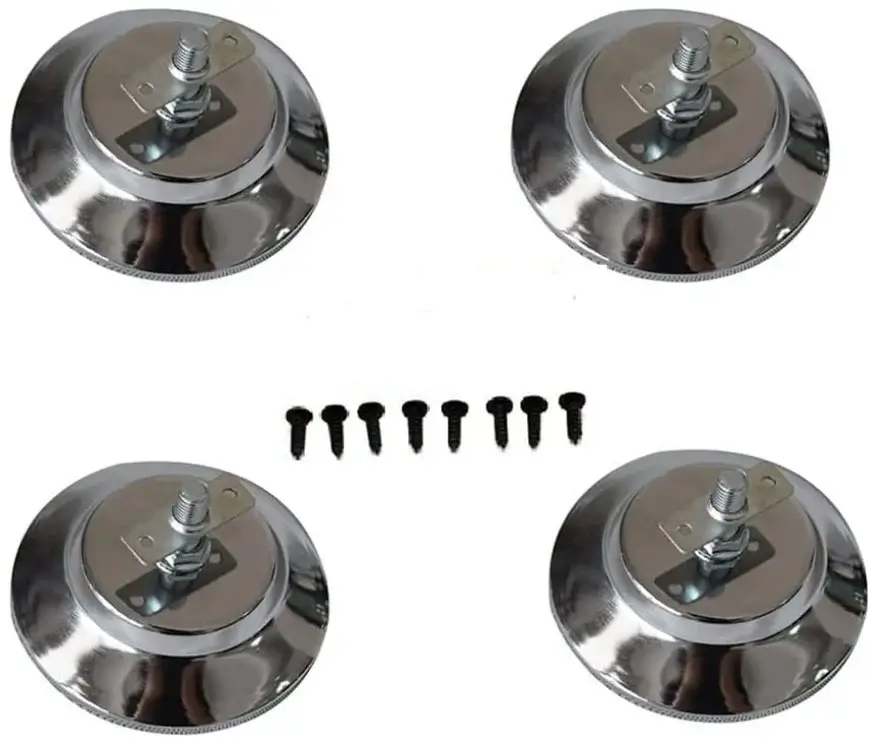
TGA Sports levelers are aimed at users who want a durable replacement set.
They feature:
- Metal construction
- Broad compatibility
- Adjustable support
They are useful when a player wants to restore stability without replacing the complete leg assembly.
A common use case is an older game room table where the cabinet is still strong, but the feet have worn out.
The limitation is compatibility. Always confirm dimensions before installation.
Verdict: A solid replacement choice for players needing stronger support components.
Tornado Black Foosball Leg Levelers
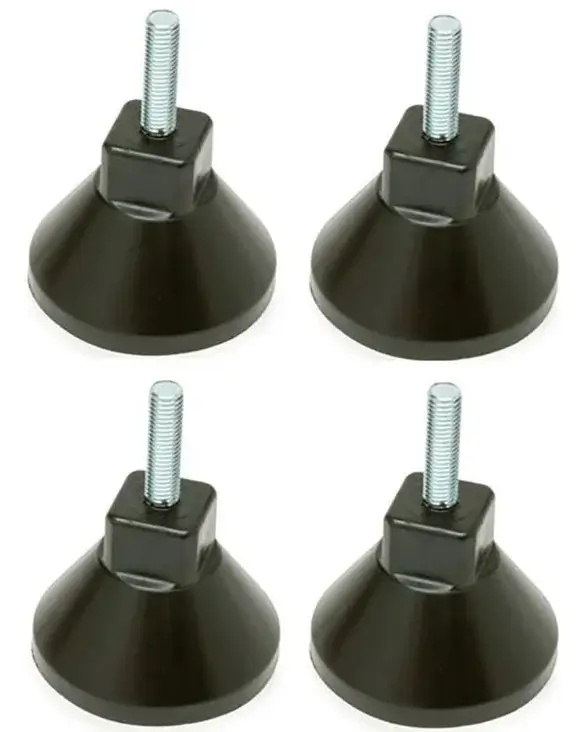
Tornado replacement parts are popular among owners who want a closer match to their original setup.
They are designed for players searching for:
- Tornado foosball legs
- Tornado foosball table legs
- Foosball table Tornado legs
- Tornado foosball leg leveler options
Tornado tables are known for durable construction, and many owners prefer keeping the original playing characteristics by using compatible components.
The advantage is fit and familiarity.
The limitation is compatibility with other brands. A Tornado part may not work correctly on a Harvard or a different table design.
Verdict: The best choice for Tornado owners who want a manufacturer-style replacement.
How to Replace Foosball Table Legs Step by Step
Replacing legs is not difficult, but rushing the process can damage the table.
Step 1: Identify the Existing Leg System
Before ordering anything, check:
- Table brand
- Model
- Bolt pattern
- Mounting holes
- Leg dimensions
Do not assume all foosball tables use the same parts.
Step 2: Remove Old Hardware
Support the table before removing bolts.
Inspect:
- Mounting brackets
- Cabinet attachment points
- Hardware condition
If the mounting area is damaged, replacing the leg alone may not solve the problem.
Step 3: Install Replacement Legs
When attaching table legs:
- Align mounting brackets carefully
- Match bolt holes
- Tighten hardware evenly
Avoid overtightening. Excess pressure can damage wood or composite mounting areas.
Step 4: Level the Table
After installation:
- Adjust each foot.
- Check the playing surface.
- Test ball movement.
- Tighten locking hardware.
A properly leveled table should feel stable during aggressive play.
Are Universal Foosball Table Legs Compatible With Every Table?
No.
Universal does not mean guaranteed fit.
Compatibility depends on:
- Mounting hole pattern
- Leg dimensions
- Bolt size
- Table weight
- Manufacturer design
For example, Tornado replacement parts may not fit Harvard tables without modification.
Always measure first. A five-minute measurement can prevent buying the wrong component.
How to Choose the Right Foosball Table Legs or Feet
The right choice depends on your situation.
| Need | Recommended Option |
| Heavy commercial table | Reinforced or steel construction |
| Uneven flooring | Adjustable levelers |
| Apartment storage | Folding legs |
| Hardwood floors | Rubberized feet or protective caps |
| Permanent setup | Fixed heavy-duty legs |
Consider these factors:
Table weight: Heavy tables need stronger support.
Floor type: Anti-slip bases and protective feet help prevent movement and scratches.
Storage needs: Folding systems help when space is limited.
Usage level: Casual home players and tournament players have different requirements.
Maintaining Foosball Table Legs So They Last Longer
Small maintenance habits prevent expensive repairs.
Every few months:
- Check bolts
- Clean feet
- Inspect cracks
- Look for loose hardware
- Avoid dragging the table
- Keep moisture away
Dragging a heavy table can damage feet, loosen mounts, and affect alignment.
Treat the support system like any other mechanical part. A little maintenance keeps the table ready for the next match.
Before Replacing Your Foosball Table Legs, Check This First
Before buying replacement foosball table legs, ask:
✓ Is the leg actually damaged?
✓ Are the bolts simply loose?
✓ Are the feet worn?
✓ Does the table only need leveling?
✓ Are replacement parts compatible?
Many players replace too much too quickly. Sometimes the cheapest and easiest fix is replacing feet or levelers instead of the entire leg assembly.
A stable foosball table feels better, plays better, and lasts longer.
Whether you own a Tornado, Harvard, or another table soccer setup, the right support system keeps your matches fair and your table ready for years of competition.
Foosball Junkie recommends focusing on compatibility first, then durability. The best replacement part is the one that fits your table correctly and solves the actual problem.