A weak foosball light can turn a clean shot into a guessing game.
The ball disappears under the rods. Corners look dark. A bright bulb above the table creates glare right when you are lining up a bank shot. That is when lighting stops being decoration and starts affecting the match.
The right foosball table light improves ball visibility, reduces shadows, and makes your game room feel complete. Whether you want foosball table LED lights, a clamp light, or a full DIY setup, the goal is simple: clear playfield visibility without blinding the players.
LED lighting is a smart choice for many indoor setups because modern LEDs use far less energy than incandescent bulbs and can offer a long service life when used properly. The U.S. Department of Energy also notes that LEDs are directional, which makes them useful for task lighting when you need light aimed at a specific area.
Best Foosball Light Options Based on Your Setup
Not every table needs the same kind of lighting.
A full-size table in a basement needs different illumination than a tabletop light-up foosball model in a kid’s room. A Tornado foosball table light setup may also need cleaner mounting and better shadow control than a casual football table in a rec room.
When Your Main Problem Is Dark Corners: Tenmiro White LED Strip Lights
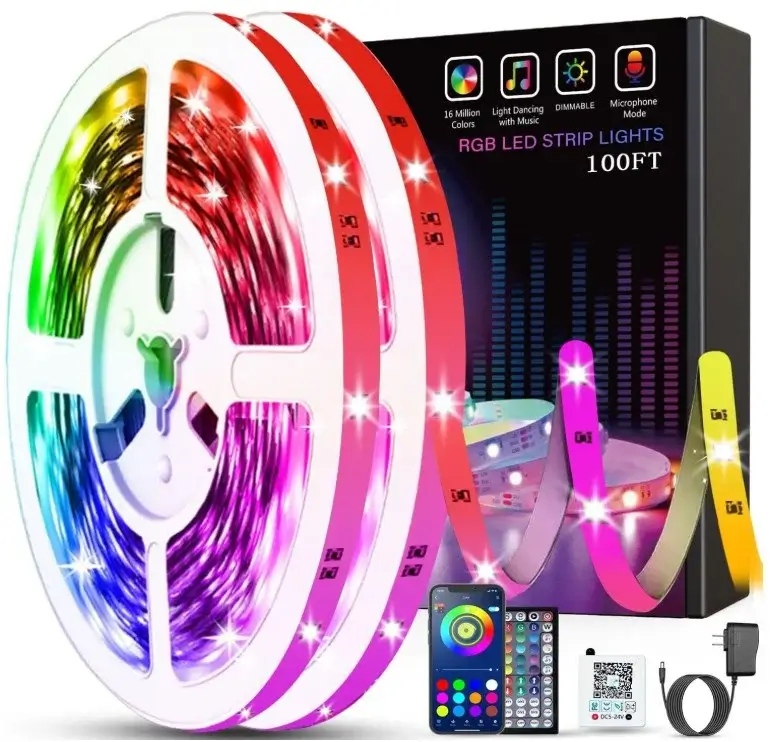
Some players do not need party lights. They need to see the ball.
That is where a white LED strip makes sense. The Tenmiro White LED Strip Lights are best for buyers who want a DIY foosball table light that improves playfield visibility without installing a ceiling fixture.
This strip is 16.4 feet long, which is more than enough for most foosball table LED light projects. A full-size foosball table usually does not need the whole strip around the playfield. You can use the extra light for shelves, a scoreboard area, a cabinet, or subtle game room lighting nearby.
Best for: Players who want an LED foosball light focused on visibility, not just decoration.
Not best for: Buyers who want a ready-made foosball light fixture with a polished housing, built-in mounting hardware, and no DIY work.
The big advantage is white light output. This model offers dimmable control and multiple color temperature options, including daylight white, warm yellow, and cooler light tones. For foosball, daylight white or neutral white usually feels sharper because it helps the ball, rods, and player figures stand out.
In real use, you will notice the difference most in the corners and goal areas. A common issue with bare LED strips, though, is visible LED dots. They can reflect off the playfield and create tiny glare spots.
That is why this setup works best with:
- An aluminum channel
- A diffuser
- Cable clips
- A dimmer switch
- Clean wire routing
A diffuser softens the beam angle and helps create more uniform lighting. The aluminum channel also improves durability and gives the strip a cleaner look.
Compared with a basic RGB strip, this is the better choice for accurate shots and visual clarity. Compared with a hanging billiard light, it is cheaper to adapt and easier to hide, but it takes more care to install neatly.
Verdict: Choose this if you want a practical LED foosball table light for better gameplay. It is one of the better options for a clean DIY setup, as long as you do not mount the bare strip where it shines into players’ eyes.
When the Whole Room Feels Too Dim: DAYBETTER 32.8 ft LED Strip Lights
Some foosball problems are not really table problems.
The room itself is dark. Basements, garage game rooms, and rec rooms often have one ceiling bulb trying to do the work of three fixtures. That creates uneven lighting before the match even starts.
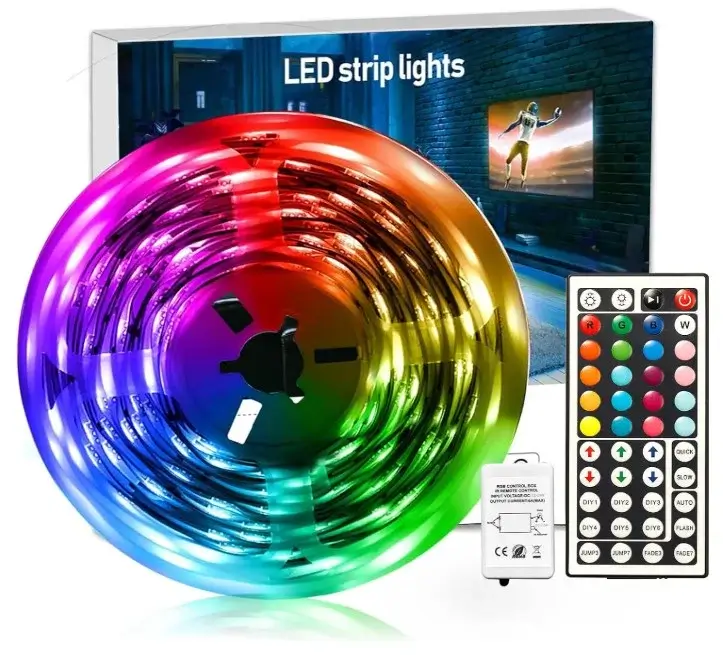
The DAYBETTER 32.8 ft LED Strip Lights are better for full-room lighting than a single-table setup. Use them along a wall, ceiling edge, shelf, or entertainment space to improve the feel of the room around the table.
Best for: Buyers who want foosball table lights that also make the game room feel brighter and more finished.
Not best for: Someone who only wants a small light for foosball table visibility and does not care about room style.
This is the kind of lighting that helps a basement stop feeling like a storage space and start feeling like a real game room. The RGB color options, smart app control, remote control, music sync, and timer features make it useful for parties and casual play.
Most buyers will not need the full strip on the foosball table itself. In fact, wrapping too much light around the table can look messy and may create glare. Use only what makes sense for the table area, then use extra length for wall edges, TV background lighting, a bar shelf, or room accents.
A practical micro use-case: mount the strip around the ceiling perimeter of a rec room, then add a separate white task light over the foosball playfield. The room feels lively, but the table still has consistent lighting.
There is one note worth checking before buying. DAYBETTER listings can vary by size and package details, so confirm the exact length and included accessories on the current listing before installing.
Compared with a pendant fixture, this option gives more ambience and flexibility. Compared with a white LED bar, it is less focused for actual gameplay.
Verdict: Pick this if your foosball table sits in a larger entertainment space that needs atmosphere. Do not rely on it as your only light source for serious matches.
When You Want Color Without Spending Like a Pro Room: KSIPZE 48 ft RGB LED Strip Lights
Not every buyer is building a tournament-style setup.
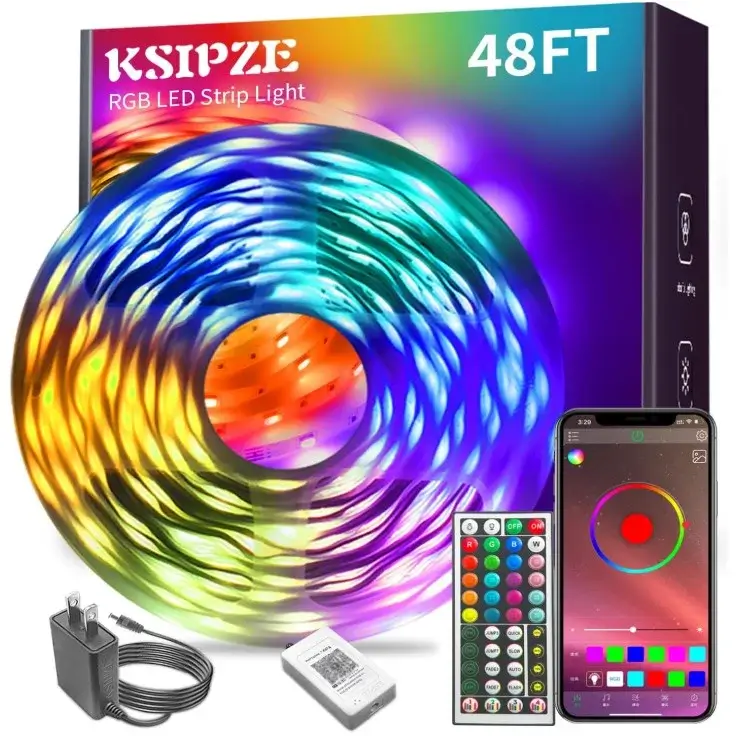
Sometimes you want your table area to look fun, especially for kids, guests, or weekend game nights. The KSIPZE 48 ft RGB LED Strip Lights fit that casual use case well.
Best for: Casual players who want foosball LED lights for color, music sync, and affordable accent lighting.
Not best for: Players who need shadow-free lighting for fast competitive play.
This strip gives you app control, Bluetooth connection, remote control, adjustable brightness, and music sync. That means the lights can react to music and help create a party feel around the table.
In daily use, the biggest benefit is mood. A plain room looks more playful. The table becomes part of the entertainment space instead of just another piece of furniture. For a family game room, that matters.
The trade-off is accuracy. RGB lighting can make the ball harder to track, especially if you use deep red, blue, or purple during play. Those colors may look cool, but they can reduce contrast on some playfields.
A better approach is to use RGB as accent lighting and keep a white foosball table light above or near the playfield. Think of RGB as the hype man, not the referee.
Compared with white LED strip lighting, KSIPZE is more fun but less precise. Compared with a clamp light, it looks cleaner when installed well, but it takes more planning.
Verdict: Choose this for style, casual play, and room energy. For serious ball control, pair it with a dedicated white task light.
When You Want Under-Table Glow and Party Style: DAYBETTER 50 ft LED Strip Lights
Some game rooms need a little drama.
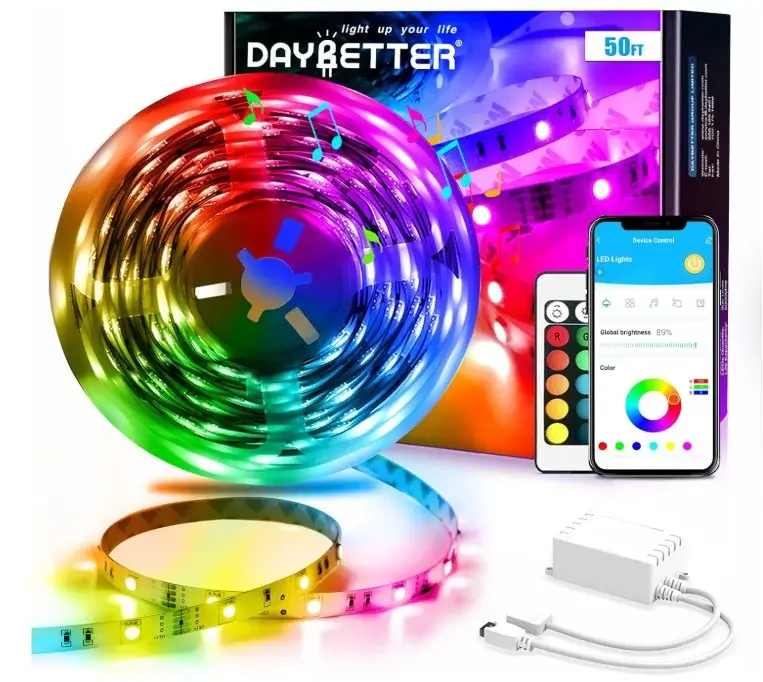
The DAYBETTER 50 ft LED Strip Lights are best for buyers who want RGB accent light around the table base, under-table glow, or a stronger party look. This is more about game room personality than pure playing performance.
Best for: Buyers looking for foosball lighting ideas that make the table stand out visually.
Not best for: Players who want one light to handle all playfield illumination.
The app and remote control make it easy to change colors, dim the lights, or switch scenes. Music sync can be fun during parties, especially when the foosball table sits near a TV, bar, or arcade corner.
For a real-world setup, place the strip under the cabinet frame or around the room edge rather than directly on the upper side rails. This keeps the glow visible without shining into players’ eyes.
Extra strip length can be used around shelves, wall trim, a scoreboard area, or other game room décor. That is better than forcing all 50 feet onto one table and turning your football table into a runway.
The trade-off is that RGB strips are not the best main lighting source. Color-changing light can make ball visibility worse if the brightness is too low or the color reduces contrast.
Compared with a premium linear fixture, this option is more flexible and decorative. Compared with white LED bars, it is less focused and less performance-driven.
Verdict: Buy this for ambience, not precision. It works well as a secondary foosball LED light, especially under the table or around the room.
When You Rent or Have a Low Ceiling: Foosball Table Clamp Lights
Some rooms make hanging lights difficult.
Maybe the ceiling is too low. Maybe you rent. Maybe you do not want to drill into the drywall for a foosball table hanging light. In that case, foosball table clamp lights can solve the problem quickly.
Best for: Renters, temporary setups, low ceilings, and buyers who want plug-and-play lighting.
Not best for: Players who want the cleanest permanent look or perfectly even illumination across the full table.
A clamp mount or clip-on light with an adjustable arm lets you aim the beam where the table needs it most. This can work well if you place the light high enough and angle it away from players’ eyes.
The real benefit is convenience. You can test different positions before committing. You can move it to another table. You can remove it when guests come over or when you rearrange the room.
The limitation is glare. A directional clamp light can create harsh shadows if it points from one side only. Aim it across the playfield, not straight into faces. A frosted lens, diffuser, or wider beam angle helps.
Compared with a ceiling mount or hardwired fixture, clamp lights are less elegant. Compared with DIY LED strips, they are easier to install and easier to adjust.
Verdict: Choose clamp lights when flexibility matters more than a built-in look. They are a practical light for foosball table setups where drilling is not an option.
White Light vs RGB Light for Foosball
White and RGB lighting both have a place.
The key is knowing which one should lead. For buyers, the mistake is treating every LED strip as a play light. Some lights help you see. Others help the room look good.
Choose White Light for Better Play
White light is the better choice for ball tracking, rod visibility, and player visibility.
For most foosball buyers, neutral white, cool white, or daylight white gives the best visual clarity. It helps you see the ball as it moves through the center, side rails, and goal areas.
When comparing white lights, look at:
- Brightness: Listed in lumens
- Color temperature: Often shown in Kelvin
- Light spread: How evenly the beam covers the table
- Glare control: Diffuser, shade, or anti-glare design
- Flicker-free performance: Helpful for reducing visual discomfort
ENERGY STAR luminaire requirements use CCT and CRI as part of light quality evaluation, which shows why color temperature and color rendering matter when comparing indoor fixtures.
For foosball, you do not need surgical-room brightness. You need enough illumination to see the ball without eye strain. As the old table joke goes, “If you blame the lighting after every missed pull shot, fix the lighting first. Then blame the handle.”
Choose RGB Light for Atmosphere
RGB light is best for ambience.
Use it for accent lighting, music sync, under-table glow, or background color around the game room. It makes a basement or man cave feel more alive, especially during parties.
RGB works well when:
- It sits behind or under the table
- It does not shine directly onto the playfield
- It supports dimming
- It works alongside a white main light
Smart lighting and remote control features are useful, but they do not replace good task lighting. If you want accurate shots, make white light the main source and RGB the supporting act.
Where to Place Foosball Table Lights
Placement matters as much as the product.
A bright light in the wrong spot can make the table harder to play on. A modest light in the right place can improve the whole experience.
Above the Playfield
A light over foosball table setups usually gives the best even illumination.
A linear fixture, billiard-style light, pendant fixture, or overhead fixture can cover the full playfield from above. This is why pool table lighting ideas often translate well to foosball, with one important difference: foosball rods can cast shadows if the beam angle is poor.
Older foosball forum discussions point out that a longer light source running across the rods can help reduce bad rod shadows on the playing surface.
For most tables, center the light above the playfield and keep it high enough to avoid head bumps. Also, check ceiling clearance before buying a foosball table hanging light.
A hanging light is best for:
- Full-size table setups
- Regulation of table rooms
- Serious players
- Clean game room design
Use a shade or diffuser to reduce glare.
Under the Scorekeeper or Upper Frame
This is the sweet spot for many DIY LED strip projects.
An LED strip can sit under the scorekeeper, inside a custom rail, or along an upper frame piece. The goal is to hide the light source while spreading light across the playfield.
Use:
- LED strip
- Aluminum channel
- Diffuser
- Adhesive clips
- Cable clips
- Low-voltage lighting components
This setup works well when you want a foosball table light kit without buying a dedicated kit. Just avoid blocking rods, handles, scorekeepers, or ball returns.
Around the Table Base
Base lighting is mostly for style.
RGB LED strips around the lower cabinet or table frame can create a clean under-table glow. It looks great in a game room, basement, garage game room, or entertainment space.
But it will not fully solve playfield visibility. Use base lighting as accent lighting, not the main source.
This placement works well for:
- Room style
- Parties
- Man cave setups
- Casual play
- Decorative football table lighting
From the Side With Clamp Lights
Side lighting is useful when you cannot mount anything above the table.
A clamp mount, clip-on light, magnetic mount, or adjustable arm can work well for a temporary setup. The trick is aiming.
Point the beam across the playfield, not into the nearest player’s eyes. Directional lighting is helpful, but only when it is controlled.
If shadows look harsh, try a wider beam angle or add a second light from the opposite side.
What Makes a Good Foosball Table Light?
A good foosball table light does not need to be complicated.
It needs to help you play better, look clean in the room, and stay out of the way. Everything else is extra.
Even Light Spread
The best foosball light covers the whole playfield.
That includes the center, corners, side rails, goalie box, and ball entry areas. If the center is bright but the corners are dim, the light spread is not balanced.
Look for:
- Uniform lighting
- Even illumination
- Wide enough beam angle
- Consistent lighting across the table
- Good playfield visibility
This is especially important for fast games. The ball does not wait for your eyes to adjust. It just rolls into the goal and pretends it was a skill.
Low Glare
Glare is one of the biggest problems with foosball lighting.
If the light shines into players’ eyes, the setup fails. Glare can also reflect off shiny rods, plastic men, laminated playfields, or glass covers on some tables.
Use glare reduction features such as:
- Diffuser
- Frosted lens
- Anti-glare shade
- Higher mounting position
- Indirect angle
Lighting comfort matters because visual tasks become harder when bright sources create discomfort or poor contrast. The Illuminating Engineering Society has long treated glare and visual comfort as important lighting quality issues.
Clean Installation
A good setup should not look like a science project after midnight.
Messy wires can distract from the table and create tripping hazards. A weak adhesive can peel off, especially under heat or dust. Poor wire routing can also interfere with rods or handles.
Plan for:
- Cable management
- Wire routing
- Mounting brackets
- Adhesive backing
- Outlet access
- Power adapter placement
For hardwired fixtures, use a qualified electrician. For plug-in fixtures or extension cords, follow product ratings and basic safety rules. CPSC warns that unsafe extension cords can present shock or fire risks, and ESFI advises that extension cords should not replace permanent wiring.
Simple DIY Foosball Table Light Setup
A simple DIY setup can work better than many random lights.
Use a white LED strip, aluminum channel, diffuser, dimmer switch, and cable clips. This gives you better control than a bare strip taped under the table edge.
The diffuser softens the light. The aluminum channel keeps the strip straight and protected. The dimmer lets you adjust brightness for casual games, serious matches, or late-night play when the rest of the house is asleep.
Avoid these common mistakes:
- Exposed LED dots facing players
- RGB as the only play light
- Poor cable routing
- Weak adhesive on dusty surfaces
- Blocking rods or handles
- The mounting light is too low
- Running cords where players walk
A low-voltage LED driver or power adapter is usually easier to manage than hardwired lighting. Still, keep cords tidy and do not overload outlets. Safety is not the exciting part of a game room, but neither is explaining why your power strip smells weird.
Final Recommendation
For most foosball buyers, the best setup is simple: use white light for play and RGB light for style.
If you care about accurate shots and ball visibility, choose a white LED strip with a diffuser or a clean overhead fixture. If you want your game room to look better, add RGB LED strips around the room or table base.
The Tenmiro White LED Strip Lights make the most sense for a DIY foosball table light focused on gameplay. The DAYBETTER and KSIPZE RGB strips are better for ambience, entertainment spaces, and foosball lighting ideas that make the room feel more fun.
For renters or low ceilings, clamp lights are the practical choice. Just aim them carefully.
Foosball Junkie’s simple rule: light the playfield first, decorate the room second. Your rods, ball, and pride will all benefit.
FAQs About Foosball Lights
What is the best foosball light?
The best foosball light is one that gives even illumination across the playfield without glare. For most buyers, that means a white LED strip in an aluminum channel with a diffuser, a linear overhead fixture, or a well-aimed clamp light.
RGB lights are great for style, but white light is better for serious play.
Can I use LED strip lights for a foosball table?
Yes, LED strip lights can work well on a foosball table if you install them correctly.
Use a diffuser or aluminum channel to soften the light and reduce visible LED dots. Keep wiring away from rods, handles, ball returns, and player movement areas.
A 16.4 ft strip is usually more than enough for the table itself. Extra length can be used to decorate shelves, walls, or the surrounding game room.
Are RGB LED lights good for foosball?
RGB LED lights are good for ambience, accent lighting, and party setups.
They are not the best main light for competitive play. Strong red, blue, or purple light can make it harder to track the ball. Use RGB under the table or around the room, then use white lighting for the playfield.
What color light is best for foosball?
Neutral white, cool white, or daylight white usually works best.
These color temperatures help improve ball visibility, rod visibility, and overall visual clarity. Warm white can feel cozy, but it may not look as crisp during faster games.
How do I reduce glare on a foosball table?
Use a diffuser, shade, frosted lens, or indirect angle.
Do not point the light directly at players’ eyes. Raise overhead lights high enough to spread the beam, and avoid bare LED strips facing outward. If glare appears on the rods or playfield, dim the light or adjust the angle.
Are clamp lights good for foosball tables?
Clamp lights can be good for renters, temporary setups, or rooms with low ceilings.
Choose a clamp light with an adjustable arm and a wide enough beam angle. Aim it carefully from the side or above the table. One poorly placed clamp light can create shadows, so test placement before making it permanent.
What is the best DIY foosball table light?
The best DIY foosball table light is a white LED strip mounted in an aluminum channel with a diffuser and dimmer.
This setup gives clean light spread, better glare reduction, and a neater look than a bare strip. It also works well for full-size tables, regulation tables, and many Tornado foosball light projects.
Should I use a hanging light over a foosball table?
A hanging light over a foosball table is a strong option if you have enough ceiling height.
A linear fixture, billiard light, or plug-in pendant lighting setup can give consistent lighting across the table. Just make sure it does not hang so low that players hit it while leaning in for shots.
Resources and Further Reading
For readers who want to compare lighting terms before buying, these sources are useful:
- U.S. Department of Energy guide to LED lighting and energy efficiency.
- ENERGY STAR luminaire specification covering CCT, CRI, lumens, and related light quality measurements.
- CPSC guidance on extension cord safety risks.
- ESFI extension cord safety tips for indoor electrical setups.