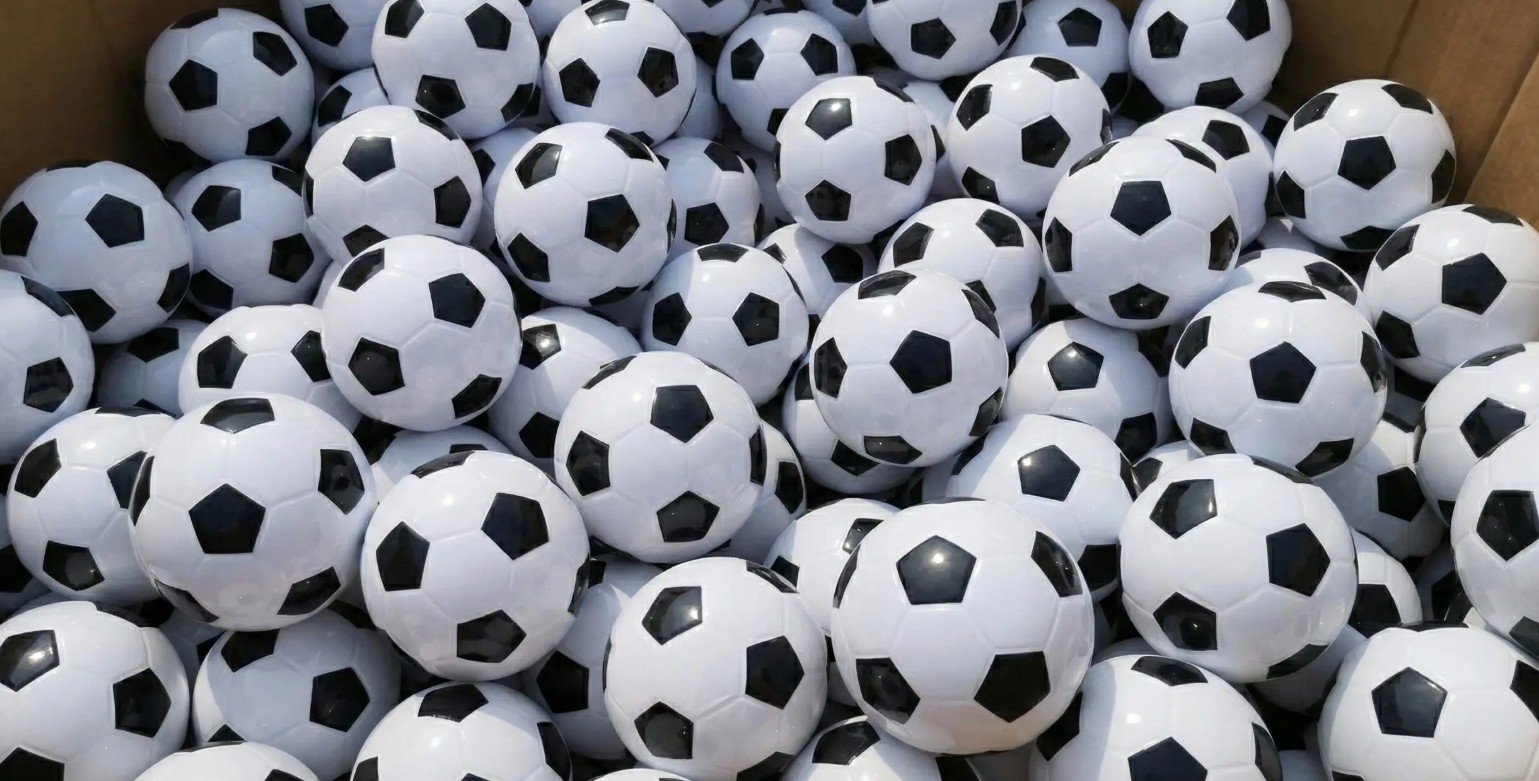
Foosball is more than just a game. It’s a sport of precision, skill, and strategy. But one key element that often gets overlooked is the ball.
The right foosball ball can significantly impact your gameplay, whether you’re a casual player or a seasoned competitor.
In this guide, we’ll walk you through everything you need to know about foosball balls: from size and weight to types and materials.
By the end, you’ll know exactly how to choose the best ball for your playstyle, table, and skill level.
Why Ball Size & Weight Matter in Foosball
When it comes to foosball, the ball isn’t just something you kick off with; it’s central to every move. Whether you’re spinning, passing, or shooting, the size, weight, and material of the ball can drastically change how the game plays out.
The wrong ball might throw off your accuracy, speed, or even the feel of the game. Here’s why choosing the right ball matters so much.
Foosball Ball Sizes Explained
Regulation Sizes vs Custom Sizes
One of the most important factors to consider is the size of the foosball ball. Official foosball tournaments often require a specific ball size, while casual players might use a variety of sizes depending on preference.
Tournament-approved balls are standardized to ensure fair competition, but custom balls can be used for home play.
In a nutshell, you have two categories:
- Official Regulation Size: The standard diameter for tournament balls, which typically ranges between 34mm and 36mm.
- Custom Sizes: Balls outside this range that are used in home or recreational play. These may vary in diameter and feel quite different during gameplay.
Clear Size Chart:
Here’s a quick reference chart to help you visualize the typical ball sizes:
| Ball Type | Diameter |
| Official Regulation (Tournament) | 36mm |
| Standard Recreational Ball | 34mm |
| Small Custom Ball | 30mm |
| Large Custom Ball | 38mm |
The Weight Factor: Impact on Performance
Weight and Gameplay
You’ve probably noticed that some foosball balls feel lighter, while others feel heavier. The weight of the ball plays a crucial role in its speed, control, and accuracy.
Lighter balls generally offer faster play, while heavier balls give you more control and precision. Tournament balls tend to be heavier to ensure a more consistent and controlled game.
Material and Weight Link
The weight of a foosball ball also depends heavily on the material used. For instance:
- Plastic balls are typically light and fast, making them ideal for quick, aggressive play.
- Cork or composite balls are heavier and slower, which is perfect for players who focus on precision and control.
Common Weight Range for Foosball Balls:
- Official Tournament Balls: Around 22-24 grams
- Recreational Balls: 18-20 grams
Materials and Composition: What Are Foosball Balls Made Of?
Foosball balls are made from a variety of materials, each of which impacts the game differently. Here’s a quick rundown of the most common materials used:
- Plastic Balls: Light, fast, and responsive. They’re often used in recreational play but may be too fast for serious competitors.
- Cork Balls: Heavier and slower, cork balls are ideal for precision players. They provide better control but can be more prone to wear over time.
- Rubber Balls: These are versatile and durable, offering a good balance between speed and control. They’re a popular choice for home games.
- Composite Balls: Made from a combination of materials, composite balls are designed for a more consistent bounce and can be used in both casual and competitive play.
Types of Foosball Balls: Which One’s Right for You?
Common Types:
There are several types of foosball balls, each designed for different styles of play:
- Standard Plastic Ball: Ideal for beginners and casual players. It’s fast but easy to control.
- Cork Ball: Offers a slower game with great control, best for players who prefer precision.
- Rubber Ball: A durable and balanced choice for players looking for a blend of control and speed.
- Tournament-Grade Ball: Usually made of composite materials, providing a consistent bounce and designed for competitive play.
How Type Affects Play:
- For Fast Play: Go for plastic or composite balls.
- For Control and Precision: Choose cork or rubber balls.
Foosball Ball Performance: How Size, Weight, and Material Affect Speed & Control
Performance Factors:
The interplay between size, weight, and material determines how the ball behaves during a game. A small, lightweight plastic ball might zoom around the table with little resistance, while a larger, heavier cork ball will slow down, giving you more time for precise movements.
Here’s how each factor contributes:
- Size: A larger ball can slow down the game but provide more stability.
- Weight: Heavier balls give better control but are less agile.
- Material: Different materials will influence the ball’s bounce, friction, and speed on the table.
In-Game Impact:
The right ball can give you the edge when playing. For example, if you prefer a fast-paced, dynamic game, a light plastic ball might be the best choice. On the other hand, if you’re more about control, a heavier cork ball can provide you with that precision.
Choosing the Best Foosball Ball for Your Playstyle
Match Ball to Playstyle:
To make the best choice, think about your preferred style of play. Do you prefer fast, aggressive shots? Or are you more focused on precision and control? Here’s a quick guide:
- For Fast Play: Choose a lightweight plastic or composite ball.
- For Control & Precision: Opt for cork or rubber balls.
- For All-Around Play: A medium-weight rubber ball strikes the best balance between speed and control.
Practical Tips:
- If you’re a beginner, start with a plastic ball to get used to the game’s pace.
- If you’re a seasoned player, experiment with cork or rubber balls for more control and accuracy.
Myths and Facts About Foosball Balls
Foosball is full of myths that can confuse new players. Let’s quickly bust a few:
Myth #1: Heavier Balls Always Give Better Control
Fact: Heavier balls offer more control, but they can slow down the game. Lighter balls can provide better speed and maneuverability.
Myth #2: All Plastic Balls Are the Same
Fact: Not true! The surface texture and finish of plastic balls affect grip and bounce. Matte-finish balls are more controlled, while smooth ones are faster but less predictable.
Myth #3: The Standard Size Works for Everyone
Fact: The “standard” 36mm ball is common in tournaments, but some players prefer smaller or larger balls for faster or more controlled play.
Myth #4: Heavier Balls Don’t Bounce
Fact: Heavier balls, like cork, may still bounce, but bounce depends more on the material than just weight. Cork balls tend to have a higher bounce than plastic ones.
Myth #5: Expensive Balls Are Always Better
Fact: Premium balls are great for tournaments, but casual players might find a good-quality plastic or rubber ball just as effective.
Final Thoughts: Maximize Your Game with the Right Foosball Ball
Choosing the right foosball ball isn’t just about picking something that looks good; it’s about enhancing your gameplay experience.
Whether you’re aiming for speed, control, or a balanced mix of both, selecting the right ball can significantly impact your performance.
Remember, there’s no “one size fits all.” Take the time to experiment with different types, sizes, and weights to find what works best for you.